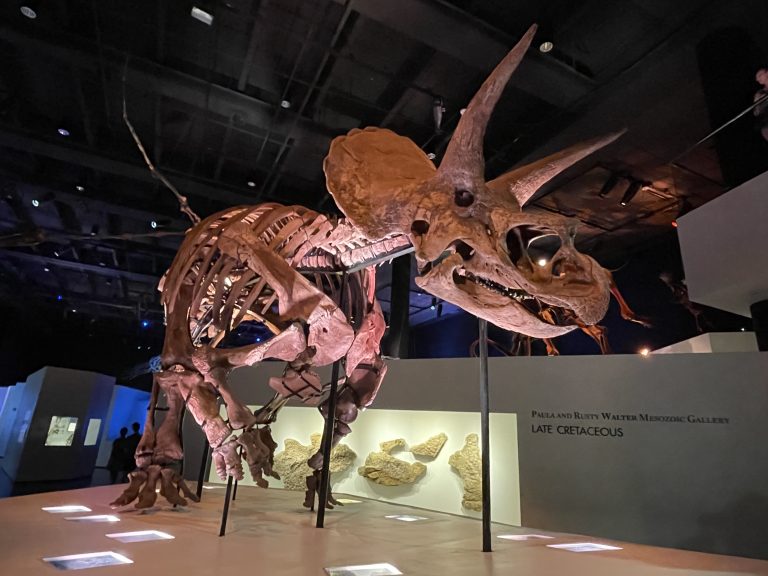
Cretaceous
Herbivore
THE PREHISTORIC WORLD, EXPLAINED
Meet the giants that ruled the Earth.
Dinosaurs Facts explores dinosaurs, fossils, ancient environments, new discoveries, and the peer-reviewed science behind what we know about the Mesozoic world.
Deep Time Epochs:

The Collection
Explore the Dinosaurs
Search the specimen archive or browse verified species records — each built from museum fossils and peer-reviewed research.
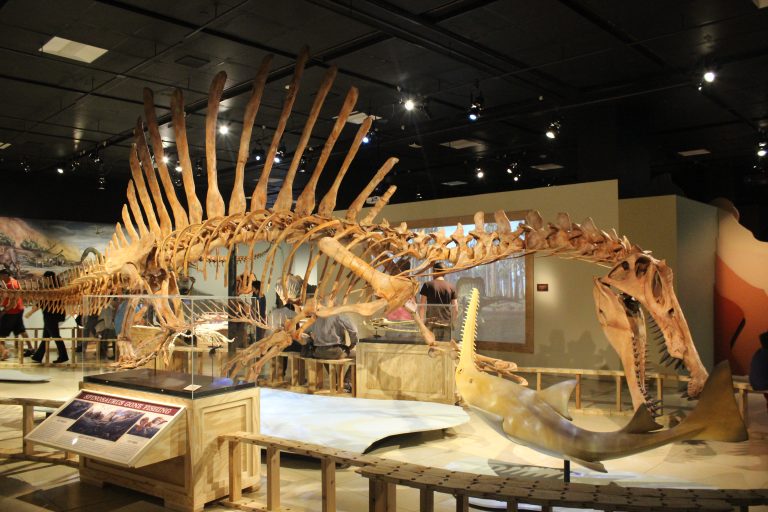
Cretaceous
Carnivore
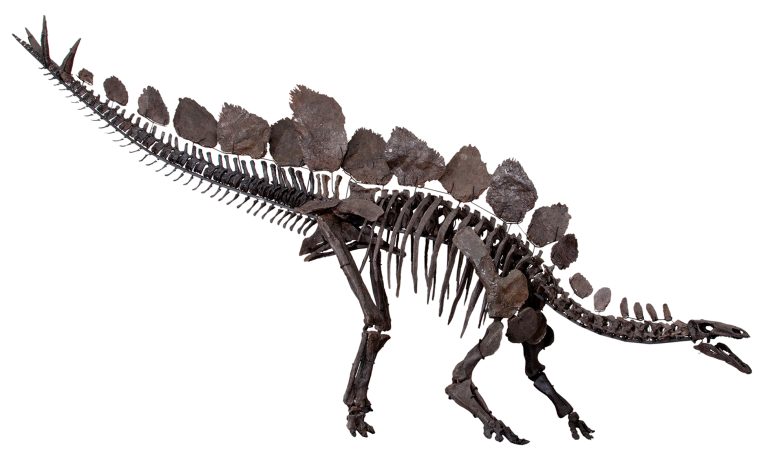
Jurassic
Herbivore
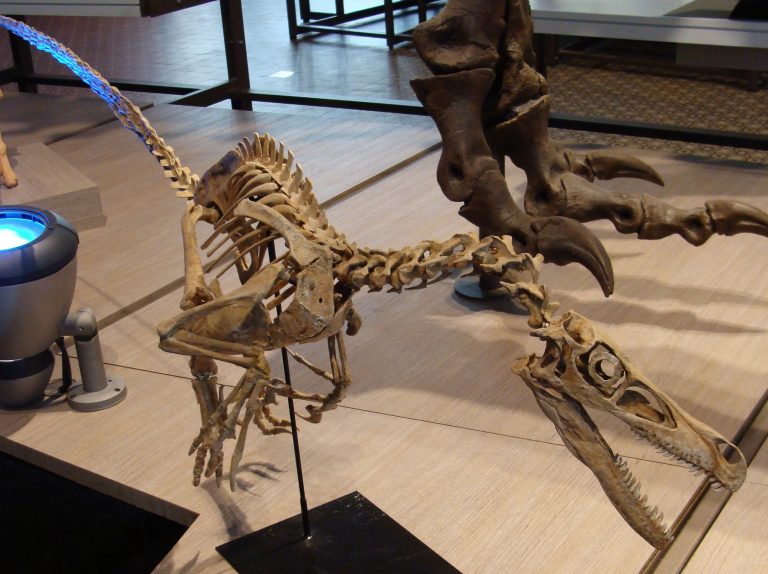
Cretaceous
Carnivore
Deep Time
When Did They Live?
The Mesozoic Era spanned roughly 186 million years across three distinct geological chapters of evolutionary radiation, climate shifts, and continental drift.
252 – 201 Ma
201 – 145 Ma
145 – 66 Ma
Triassic Period
The Dawn of the Dinosaurs
Rising from the aftermath of the Great Permian Extinction, agile bipedal archosaurs and small predators emerged across the arid interior of Pangaea.
Key genera: Coelophysis, Herrerasaurus, Plateosaurus
Explore the Triassic Period →Jurassic Period
The Golden Age of Giants
Warm humid greenhouse climates and splitting supercontinents allowed colossal sauropods and plated stegosaurs to rule planetary ecosystems.
Key genera: Brachiosaurus, Allosaurus, Stegosaurus
Explore the Jurassic Period →Cretaceous Period
Peak Diversity & Apex Predators
Flowering plants transformed ecosystems as horned ceratopsians, duckbills, and titanic theropods flourished until the Chicxulub asteroid impact.
Key genera: Tyrannosaurus, Triceratops, Spinosaurus
Explore the Cretaceous Period → Verified Fossil Specimen
Featured Dinosaur
Cretaceous
Carnivore
Tyrannosaurus rex
Tyrannosaurus rex • tie-RAN-oh-SORE-us RECKS
Name meaning: “Tyrant Lizard King”
Tyrannosaurus rex was one of the largest terrestrial carnivores of all time, roaming western North America just prior to the Cretaceous-Paleogene extinction event. With an estimated bite force exceeding 35,000 Newtons and acute stereoscopic vision, it sat uncontested at the apex of its ecosystem.
Length
12.3m
40.4 ft
Height
3.7m
12.1 ft
Mass
8.4t
8,400 kg
Locomotion
Bipedal
Field Dispatches & Essays
Latest Stories
Recent paleontological discoveries, evolutionary analyses, and natural-history essays from our research desk.
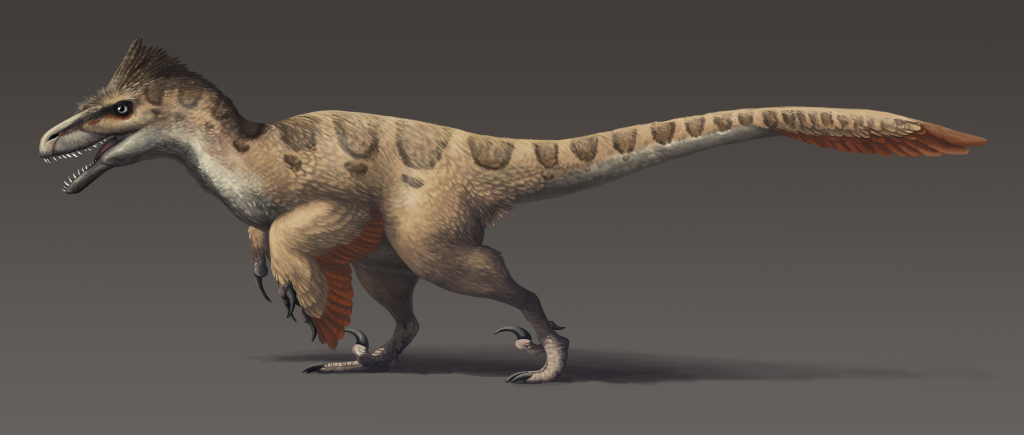
Utahraptor: The Giant Raptor Found in Utah
When pop culture introduced the world to the terrifying “raptors” of cinema in 1993, audiences were terrified by human-sized, hyper-intelligent pack hunters. Yet in paleontology, the true animals that inspired those movie depictions—Mongolian Velociraptor…
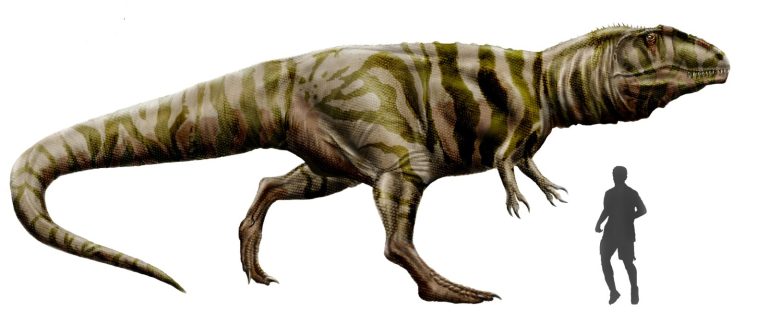
Giganotosaurus: The Giant Predator of Patagonia
When Argentine paleontologists Rodolfo Coria and Leonardo Salgado announced the discovery of Giganotosaurus carolinii in 1995,…
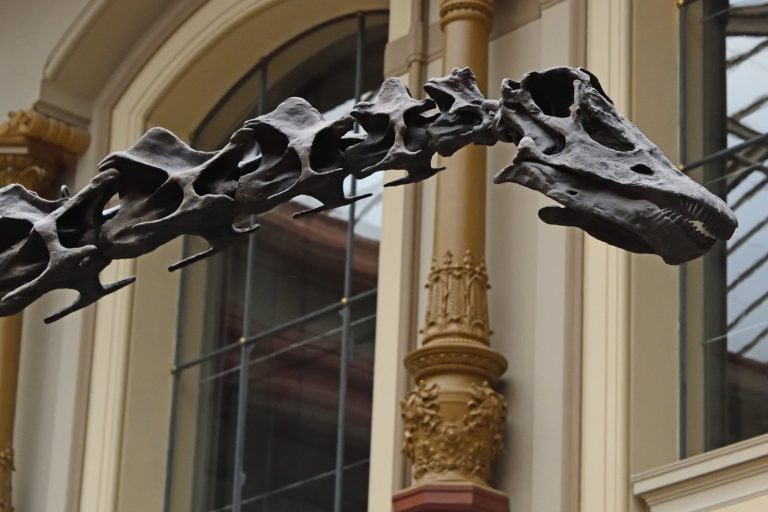
Diplodocus: How Long Was This Whip-Tailed Giant?
Among all the colossal dinosaurs unearthed from the Late Jurassic rock strata of western North America,…
Ways to Explore
Explore by Category
Follow a diet through the Mesozoic food web, or trace fossils back to the continents where they were found.
By Diet

The Science
Learn How We Know
Every fact on Dinosaurs Facts traces back to evidence — fossils, field notes, and peer-reviewed research. Explore the methods behind the science.
- Fossils & Taphonomy How living animals become stone — and how we read them
- Paleontology in the Field Excavation, plaster jackets, and museum preparation labs
- Anatomy & Biomechanics Reconstructing movement, feeding, and growth from bones
- Evolution & Cladistics Mapping the family tree from shared anatomical traits
- Extinction & Survival The K–Pg impact and why birds are living dinosaurs
- New Discoveries How newly described species reshape what we know