Velociraptor mongoliensis
Velociraptor mongoliensis
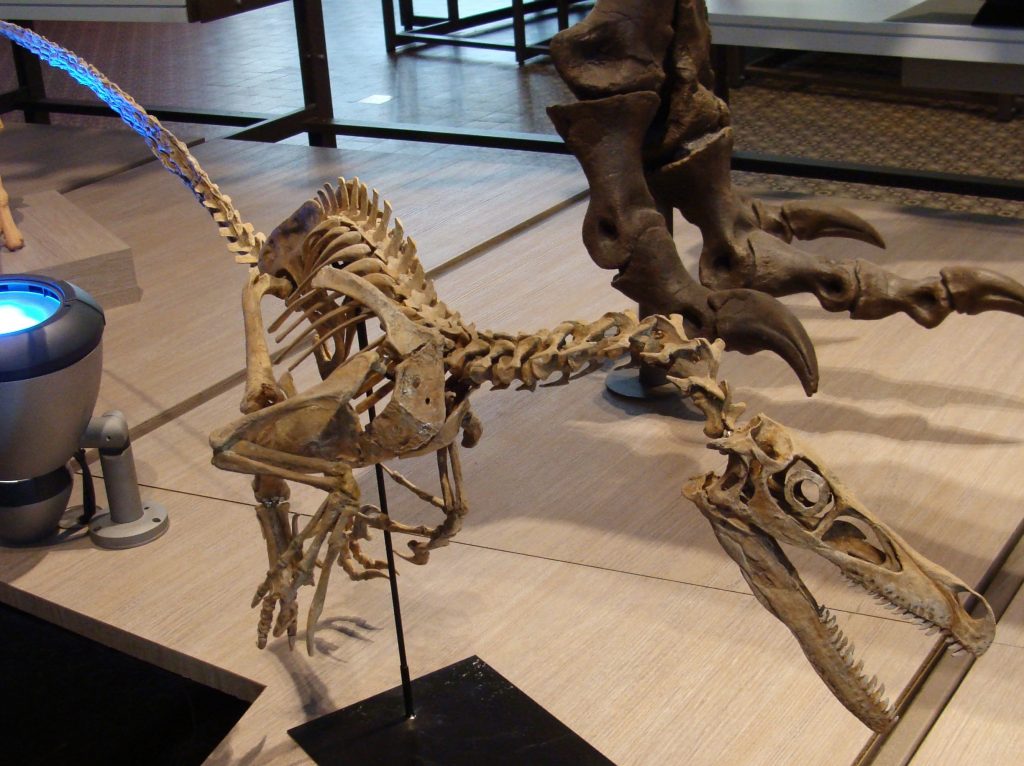
A turkey-sized feathered dromaeosaurid predator of the Gobi Desert, renowned for its hyperextensible sickle-shaped second toe claw and acute binocular hunting vision.
Specimen Field Matrix
Empirical morphological and stratigraphical recordsPaleontological Overview
A turkey-sized feathered dromaeosaurid predator of the Gobi Desert, renowned for its hyperextensible sickle-shaped second toe claw and acute binocular hunting vision.
Velociraptor mongoliensis was described from fossil material recovered in the Djadokhta Formation.
Human Scale Comparison
Proportional anatomical comparison between an average adult human (1.8 m / 5.9 ft) and Velociraptor mongoliensis (2 m / 6.6 ft length, 0.5 m / 1.6 ft standing height).
Where & When It Lived
Geographic Range & Habitat
- Fossil Deposit Localities:
- Mongolia, Northern China (Gobi Desert)
- Geological Formations:
- Djadokhta Formation
Fossil specimens of this species have been recovered from terrestrial floodplains, ancient river channels, and coastal sandstone facies deposited during continental rifting and tectonic reconfigurations.
Geologic Epoch & Chronology
Radiometric dating of volcanic ash layers (bentonite horizons) places this taxon between 75 and 71 million years before the present.
Specimen & Life Restoration Gallery
Peer-Reviewed References & Institutional Literature
Monographs and peer-reviewed taxonomic papers for this record are compiled from international paleontological journals and museum collections.
Related Dinosaurs & Contemporaries
 Cretaceous
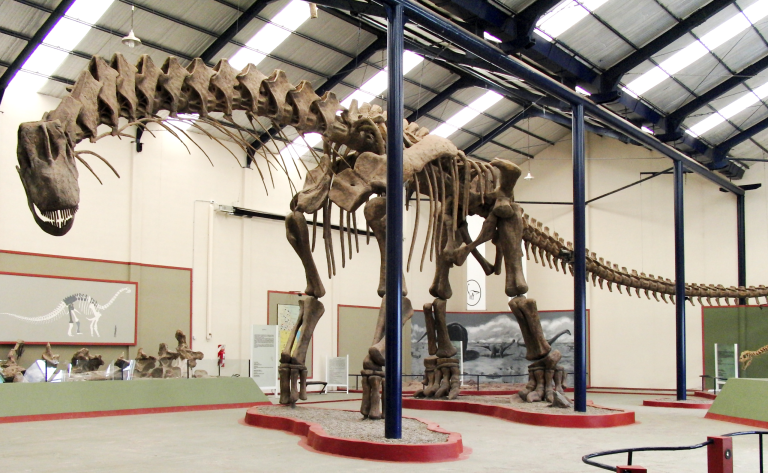
Argentinosaurus huinculensis
Argentinosaurus huinculensis
One of the largest land animals in Earth history, this colossal titanosaur shook the Cretaceous plains…
 Cretaceous
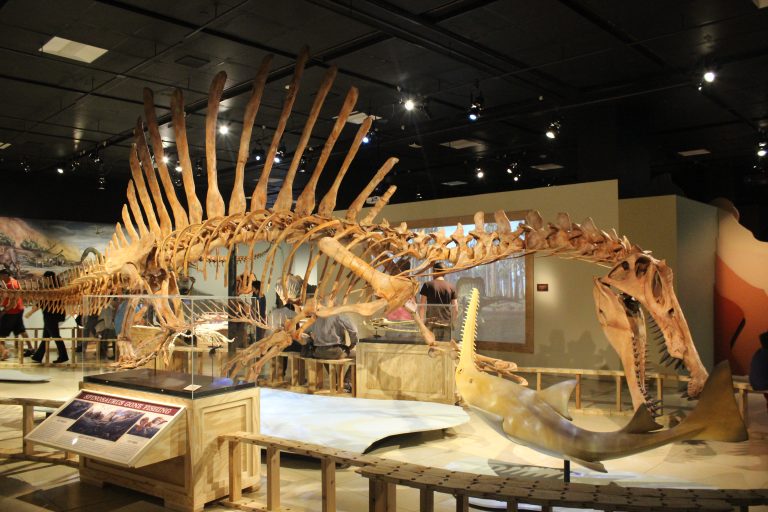
Spinosaurus aegyptiacus
Spinosaurus aegyptiacus
A colossal semi-aquatic predatory theropod equipped with a massive dorsal neural sail, crocodyliform snout, and paddle-like…
 Cretaceous
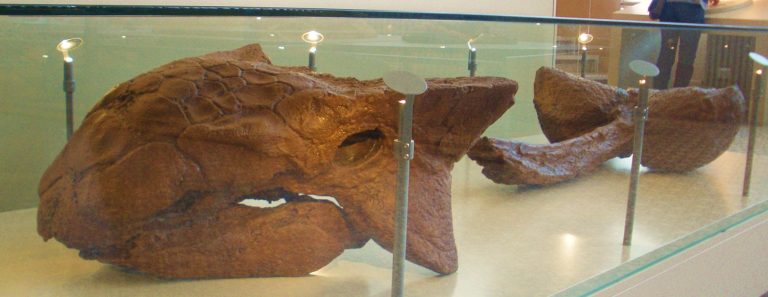
Ankylosaurus magniventris
Ankylosaurus magniventris
The living tank of the Late Cretaceous, armored in thick osteoderm plates with cranial horns and…