Triceratops horridus
Triceratops horridus
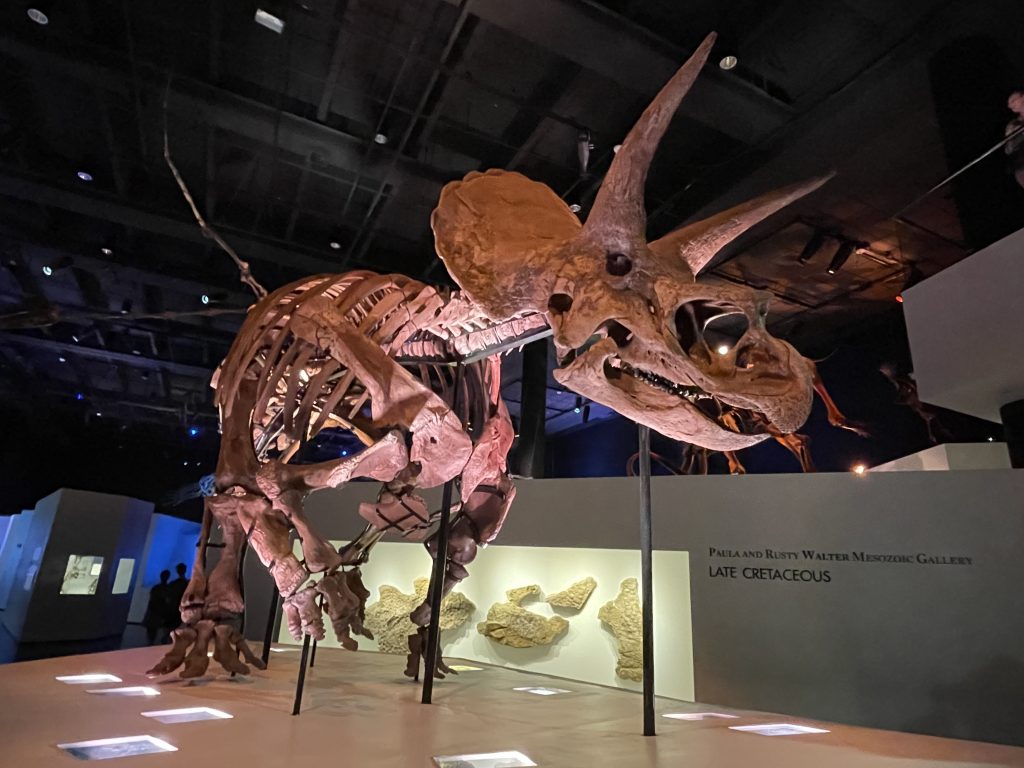
Triceratops horridus is one of the most recognizable horned dinosaurs. Equipped with two brow horns measuring up to 1 meter in length, a shorter nasal horn, and a solid parietal-squamosal frill, it was a dominant herbivore that actively defended against contemporary predators like Tyrannosaurus rex.
Specimen Field Matrix
Empirical morphological and stratigraphical recordsPaleontological Overview
Triceratops horridus is the preeminent horned dinosaur of North American fossil horizons. Recognized by its formidable brow horns, parrot-like beak, and solid parietal-squamosal neck frill, Triceratops lived alongside Tyrannosaurus rex during the terminal Maastrichtian stage of the Late Cretaceous.
Unlike many other chasmosaurine ceratopsids whose frills possessed large weight-saving windows (parietal fenestrae), the frill of Triceratops was composed of thick, continuous solid bone. This solid construction offered vital shielding for the neck musculature and major carotid blood vessels. Multiple fossil specimens bear healed puncture wounds directly matching the conical dentition of Tyrannosaurus, cementing a dramatic evolutionary arms race between predator and prey.
The dental battery of Triceratops contained between 432 and 800 tightly packed teeth that continuously replaced themselves as they wore down. This industrial-grade chewing apparatus enabled Triceratops to shear through dense, fibrous vegetation including palms, cycads, and early flowering angiosperms.
Human Scale Comparison
Proportional anatomical comparison between an average adult human (1.8 m / 5.9 ft) and Triceratops horridus (9 m / 29.5 ft length, 3 m / 9.8 ft standing height).
Where & When It Lived
Geographic Range & Habitat
- Fossil Deposit Localities:
- Western North America (Colorado, Montana, South Dakota, Wyoming, Alberta)
- Geological Formations:
- Hell Creek Formation, Lance Formation, Denver Formation
Fossil specimens of this species have been recovered from terrestrial floodplains, ancient river channels, and coastal sandstone facies deposited during continental rifting and tectonic reconfigurations.
Geologic Epoch & Chronology
Radiometric dating of volcanic ash layers (bentonite horizons) places this taxon between 68 and 66 million years before the present.
Remarkable Adaptations & Facts
-
Unlike most other ceratopsids whose neck frills had large weight-reducing openings, Triceratops possessed a solid, continuous bone shield.
-
Its skull was enormous, measuring upwards of 2.5 meters (8 feet) in total length from beak to frill crest.
-
Healed puncture wounds matching T. rex tooth dimensions have been discovered on multiple Triceratops frills and horns, proving active predator-prey combat.
Specimen & Life Restoration Gallery
Peer-Reviewed References & Institutional Literature
Related Dinosaurs & Contemporaries
 Cretaceous
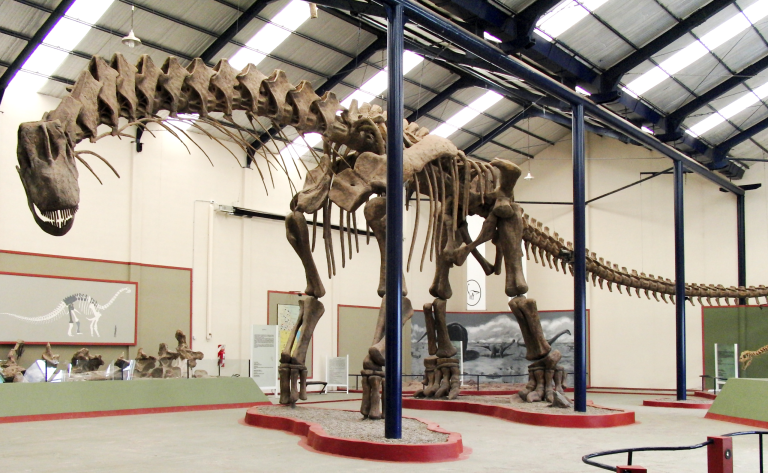
Argentinosaurus huinculensis
Argentinosaurus huinculensis
One of the largest land animals in Earth history, this colossal titanosaur shook the Cretaceous plains…
 Cretaceous
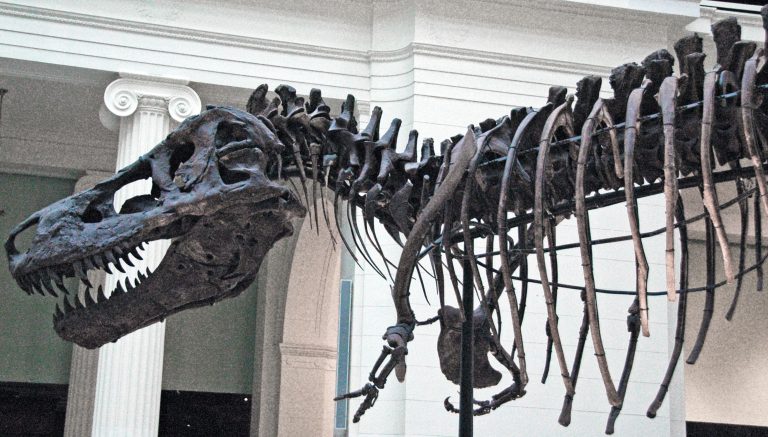
Tyrannosaurus rex
Tyrannosaurus rex
Tyrannosaurus rex was one of the largest terrestrial carnivores of all time, roaming western North America…
 Jurassic
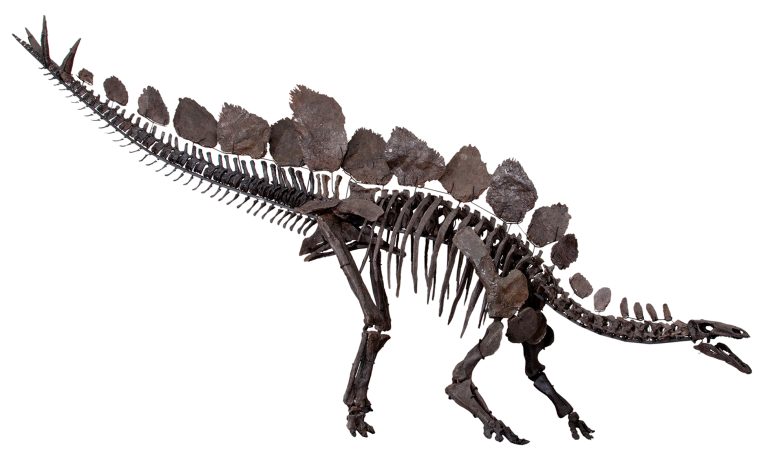
Stegosaurus stenops
Stegosaurus stenops
An iconic plated herbivore possessing alternating osteodermal dorsal plates for thermoregulation or display and four lethal…