Feathers, Scales, and Color: How Paleoart Reconstructs Prehistoric Life
How melanosome analysis and biomechanical morphology transformed prehistoric animals from grey behemoths into living biology.
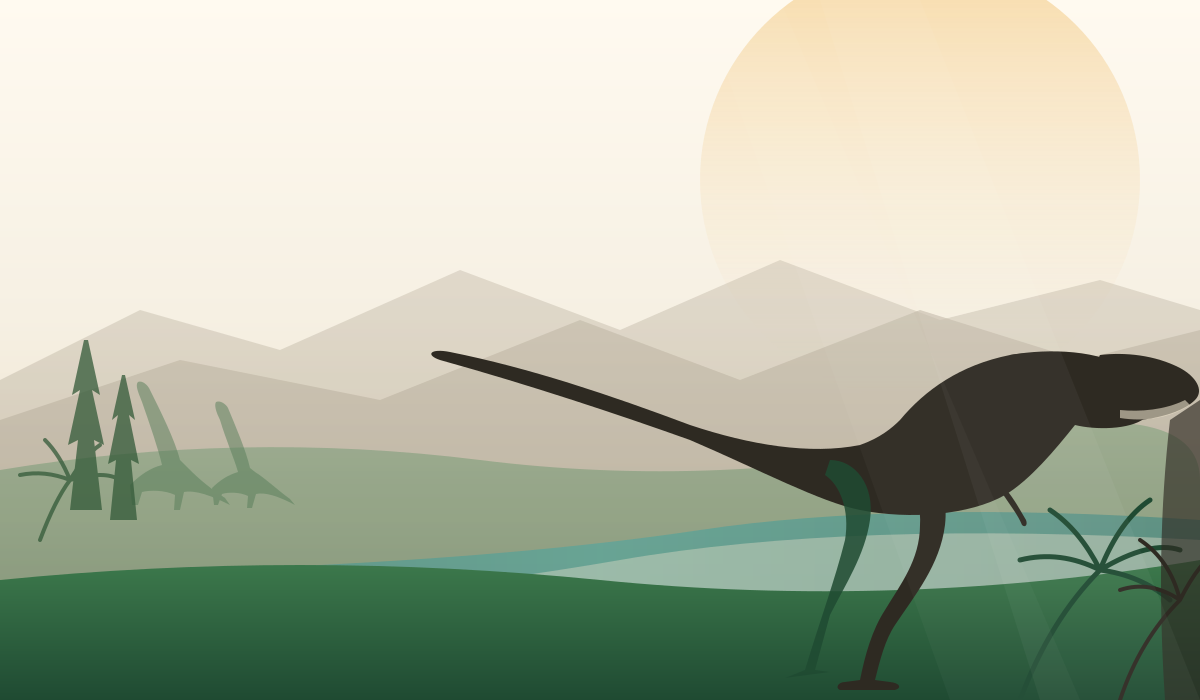
For over a century, dinosaurs were depicted in drab reptilian greys and swampy browns. Over the last two decades, advances in analytical paleontology and electron microscopy have catalyzed a dramatic color revolution in modern life restorations.
Melanosomes and Pigment Mapping
The preservation of fossilized melanosomes—sub-cellular organelles that synthesize and store melanin pigments—has made it possible to determine the plumage colors of feathered non-avian theropods such as Microraptor, Sinosauropteryx, and Anchiornis. By comparing the aspect ratio and packing density of fossil eumelanosomes and phaeomelanosomes with living birds, researchers can differentiate glossy structural iridescence from warm rufous-brown countershading.
Comparative Anatomy and Soft Tissue Contours
Modern scientific illustration merges rigorous comparative anatomy with biochemical evidence. Today, paleoartists collaborate directly with vertebrate morphologists to map muscle insertion scars, cartilage spacers, pneumatic air-sac systems, and integumentary patterns, transforming prehistoric animals into living biological entities grounded in empirical science.

Referenced Dinosaur Species 2 species
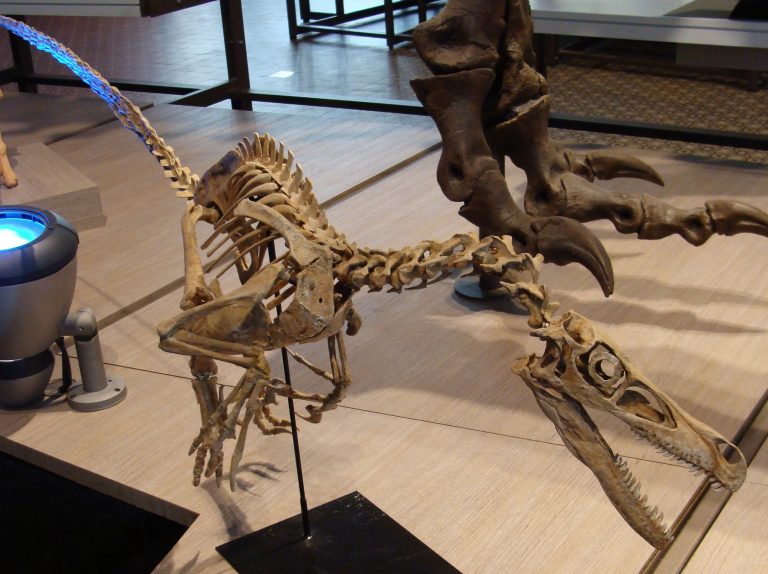
Velociraptor mongoliensis
Velociraptor mongoliensis
A turkey-sized feathered dromaeosaurid predator of the Gobi Desert, renowned for its hyperextensible sickle-shaped second toe claw and acute binocular hunting vision.

Archaeopteryx lithographica
Archaeopteryx lithographica
The historic transitional fossil bridging non-avian feathered theropods and modern birds, possessing feathered wings alongside toothed jaws and a bony tail.
Related Paleontological Dispatches
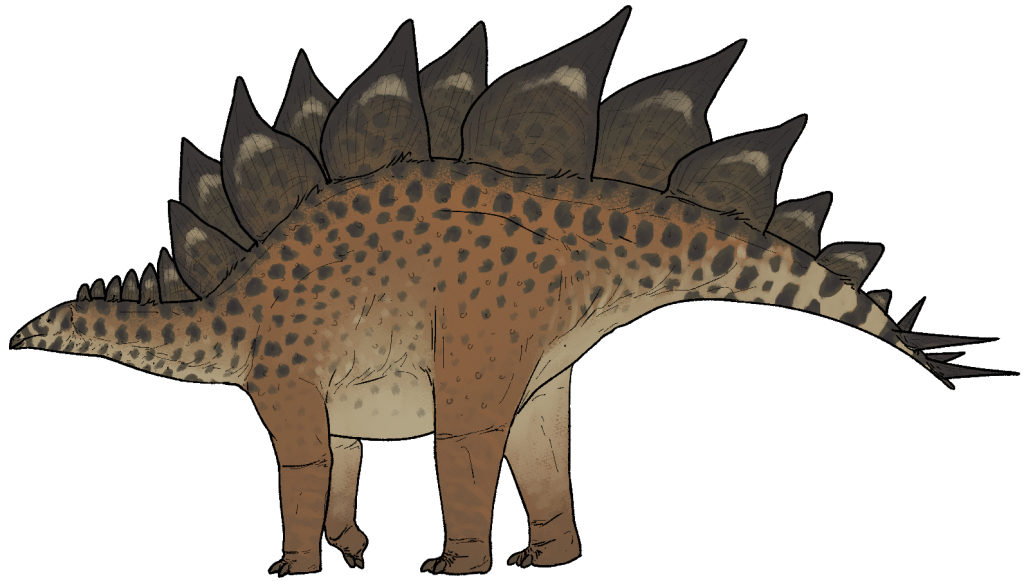
Stegosaurus: Why It Had Back Plates and a Spiked Tail
With its tiny head, towering double row of kite-shaped plates, and a tail bristling with four lethal spikes,…
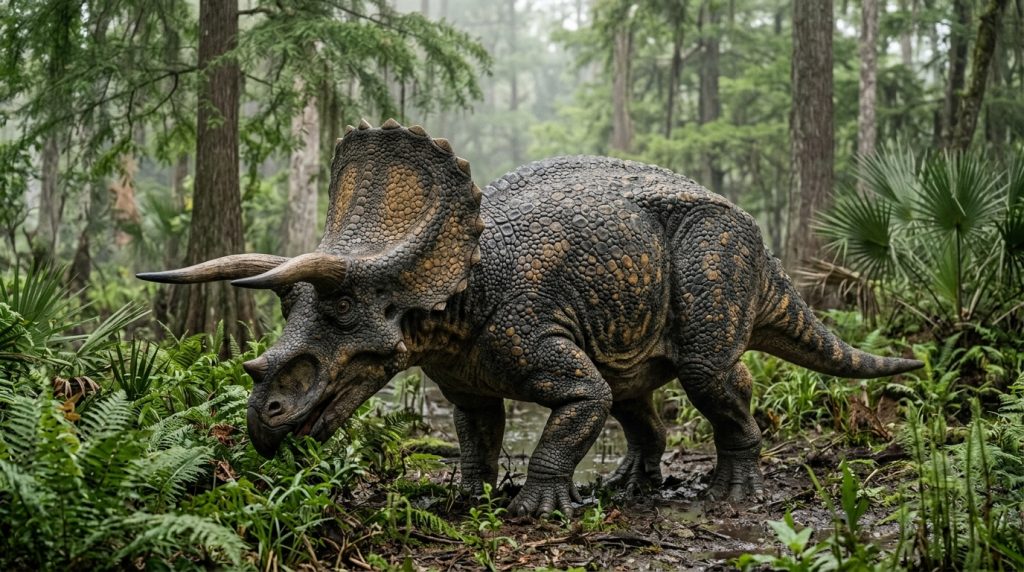
Triceratops: Why It Had Three Horns and a Huge Frill
For more than a century, popular books and films have depicted Triceratops as nature’s ultimate prehistoric battle tank:…

Did T. rex Have Feathers? What the Fossils Really Say
Over the past three decades, popular depictions of Tyrannosaurus rex have swung between two radical extremes. For nearly…