Brachiosaurus: The Giant That Reached the Treetops
Uncovering the colossal functional biology of Brachiosaurus altithorax: how an inclined spine, high-pressure cardiovascular system, and pneumatic skeleton enabled canopy-level dominance in the Late Jurassic.
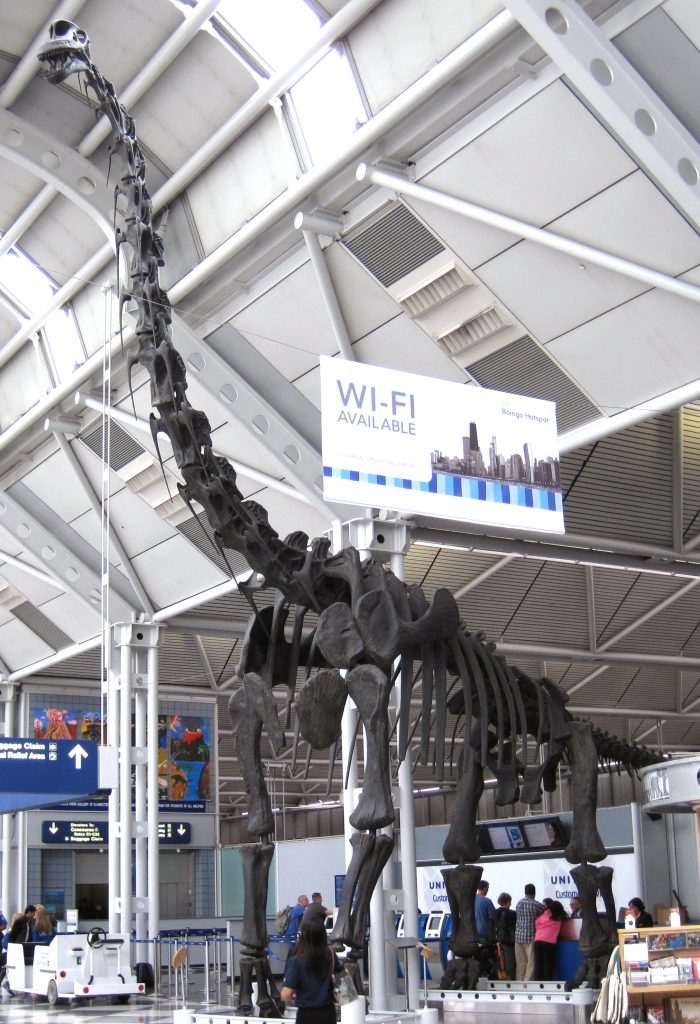
Among the titanic sauropods that strode across the prehistoric world, Brachiosaurus stands out as an architectural marvel of evolutionary biomechanics. While most long-necked dinosaurs—such as Diplodocus and Apatosaurus—held their vertebral columns nearly horizontal to graze across vast expanses of low-lying ferns, Brachiosaurus altithorax evolved an extraordinary upward posture. With front limbs significantly longer than its hind legs, a steeply sloping back, and an expansive neck held aloft like a biological crane, Brachiosaurus was uniquely engineered to browse the uppermost crowns of Late Jurassic conifer forests. Elevating its skull more than 12 meters (40 feet) above the ground, this North American giant operated in a vertical ecological realm completely inaccessible to any competitor of its era.
Key Paleontological Takeaways
- The “Arm Lizard” Anatomy: Unlike nearly all other quadrupedal dinosaurs, Brachiosaurus possessed forelimbs longer than its hindlimbs (humerus-to-femur ratio greater than 1.0), tilting its entire trunk upward toward immense shoulders standing over 6 meters high.
- Brachiosaurus vs. Giraffatitan: For nearly a century, the famous African mount in Berlin was labeled Brachiosaurus. Rigorous anatomical re-analysis by Dr. Michael P. Taylor (2009) established that the African animal is a distinct genus, Giraffatitan brancai, whereas the true North American Brachiosaurus altithorax was even broader-chested and heavier (~30–45+ metric tons).
- High-Canopy Specialization: Robust spatulate (chisel-like) teeth allowed Brachiosaurus to shear tough, fibrous conifer needles and cycad fronds 12 to 13 meters above ground level, practicing extreme niche partitioning.
- Physiological Feats of Gigantism: Maintaining blood circulation to a skull raised 9 meters above the heart required an immense ~200 kg cardiac pump generating systolic blood pressures near 250–300 mm Hg, while avian-style air sacs hollowed the vertebrae to keep the colossal neck lightweight.
1. The “Arm Lizard”: An Upside-Down Body Plan
In 1900, American paleontologist Elmer S. Riggs discovered the partial skeleton of a monumental sauropod in the Grand River Valley near Fruita, Colorado. When Riggs formally named the animal Brachiosaurus altithorax in 1903—meaning “deep-chested arm lizard”—he immediately recognized that its anatomical proportions contradicted every established rule of dinosaur skeletal construction.
In typical quadrupedal sauropods such as Camarasaurus or Diplodocus, the pelvic girdle and hindquarters form the highest point of the torso, with the hindlimbs noticeably exceeding the forelimbs in length. In Brachiosaurus, this geometry was reversed:
- Elongated Forelimbs: The humerus (upper arm bone) of Brachiosaurus measured an astonishing 2.04 meters (6.7 feet) in length—virtually equal to or slightly exceeding the length of its femur (2.03 meters). When combined with its elongated radius, ulna, and vertically stacked metacarpal bones, the forelimb formed a towering columnar pillar.
- Steeply Sloping Torso: Because the front legs were so elongated and the dorsal neural spines increased in height toward the withers, the vertebral column sloped dramatically downward from shoulders to hips at an angle of roughly 20 to 30 degrees.
- Elevated Starting Stance: While a horizontal sauropod had to actively exert muscular energy to raise its head, Brachiosaurus began with its neck base already elevated over 6.4 meters (21 feet) above ground level. From this lofty platform, its 9-meter cervical column swept upward into the forest canopy with minimal biomechanical strain.
2. Brachiosaurus vs. Giraffatitan: The 100-Year Case of Mistaken Identity
Few taxa in vertebrate paleontology have experienced as much taxonomic confusion as Brachiosaurus. For decades, almost every textbook illustration, museum display, and popular film depicting Brachiosaurus was actually based on fossils discovered thousands of miles away in East Africa.
The Tendaguru Expeditions (1909–1913)
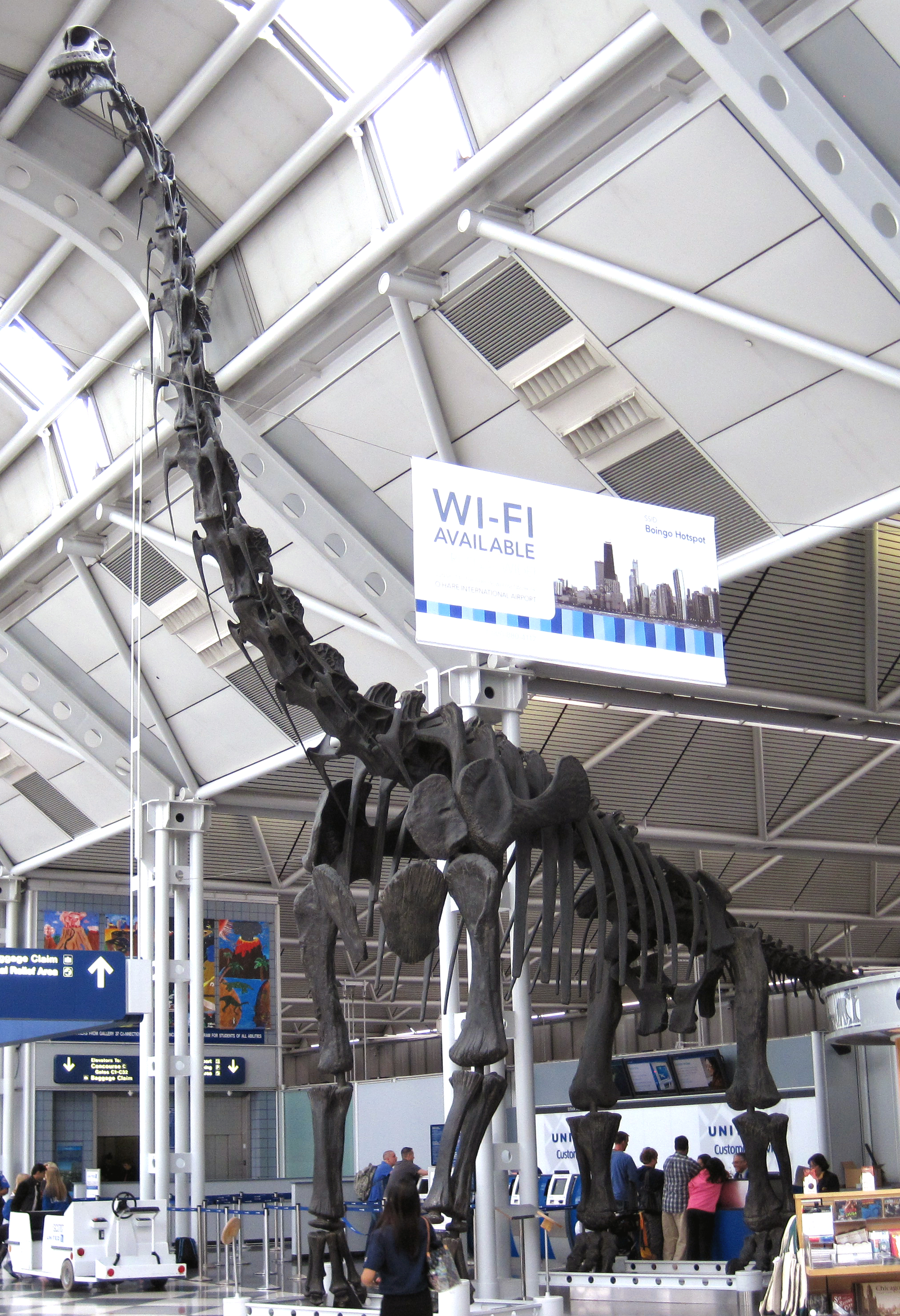
Between 1909 and 1913, German paleontologists led by Werner Janensch excavated several extraordinarily complete sauropod skeletons from the Late Jurassic Tendaguru Formation in German East Africa (modern-day Tanzania). Because these specimens shared the distinctive high-shouldered, giraffe-like body plan of Riggs’ Colorado discovery, Janensch named them Brachiosaurus brancai in 1914. One magnificent mount, assembled in the Museum für Naturkunde in Berlin, stands 13.27 meters (43.5 feet) tall and was long certified by Guinness World Records as the world’s tallest mounted dinosaur skeleton.
Taylor’s 2009 Generic Revision
However, British sauropod specialist Dr. Michael P. Taylor conducted a comprehensive morphological audit comparing the original North American holotype (FMNH P 25107) with the African material. Published in the Journal of Vertebrate Paleontology in 2009, Taylor’s analysis established that the two animals possessed profound anatomical differences that warranted full generic separation:
| Anatomical Trait | Brachiosaurus altithorax (North America) | Giraffatitan brancai (East Africa) |
|---|---|---|
| Geographic & Geological Occurrence | Morrison Formation, USA (~154–150 Ma) | Tendaguru Formation, Tanzania (~150–145 Ma) |
| Trunk & Ribcage Proportions | Longer trunk, exceptionally broad thorax (23{349c590a1c7dba0edd042a8cb051d4ef440ecfe2a9c24e1b0b2c894f80ccce3c} longer dorsal series) | Shorter trunk, narrower ribcage |
| Coracoid & Shoulder Girdle | Elongated, massive sub-rectangular coracoid | Sub-circular, proportionally smaller coracoid |
| Adult Body Mass Estimate | 35.0 – 45.0+ metric tons | 25.0 – 35.0 metric tons |
| Cranial Crest Profile | Flatter dorsal margin, broad nasal arch | Prominent, tall, bulbous dorsal nasal dome |
Consequently, the Berlin giant is now properly classified as Giraffatitan brancai. The true North American Brachiosaurus altithorax was an even stockier, broader-chested, and more massive animal, representing the peak of high-browsing sauropod mass in the western hemisphere.

3. High-Canopy Ecology: Feeding 13 Meters in the Air
The Late Jurassic Morrison Formation was one of the most biodiverse dinosaur habitats in geological history. In what is now Colorado, Utah, and Wyoming, at least five different sauropod genera coexisted along seasonal semi-arid floodplains: Brachiosaurus, Diplodocus, Apatosaurus, Camarasaurus, and Barosaurus. How did multiple mega-herbivores measuring tens of tons share the same environment without exhausting plant resources?
The answer is niche partitioning through vertical stratification:
- Diplodocids (Ground to 4 Meters): Diplodocus held its long, whip-like neck nearly horizontal or tilted downward, using pencil-shaped front teeth to rake through vast ground-level fields of ferns, horsetails, and cycad undergrowth.
- Camarasaurids (4 to 8 Meters): Camarasaurus possessed moderately elevated shoulders and heavily built, spatulate teeth suited for chewing medium-height woody shrubs, cycads, and lower tree branches.
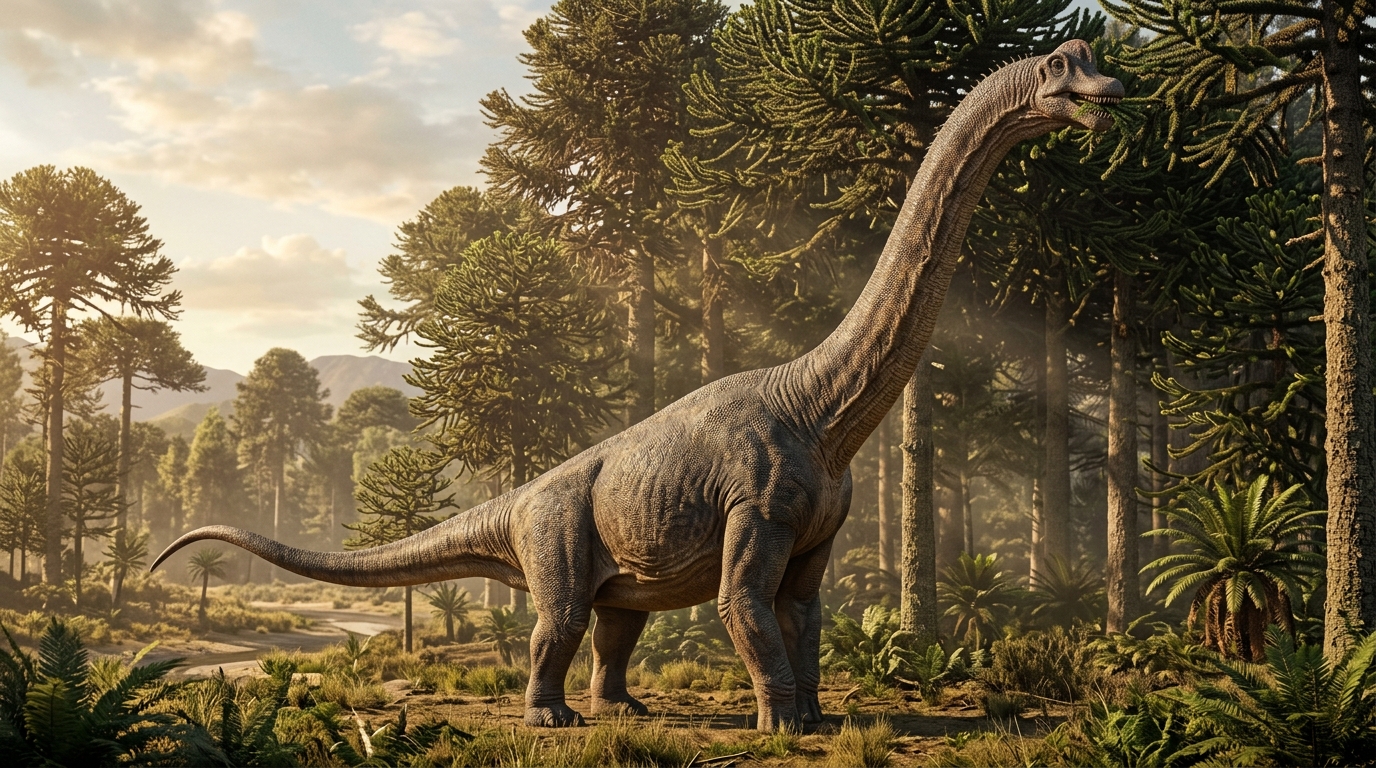
- Brachiosaurus (9 to 13+ Meters): Occupying the ecological summit, Brachiosaurus was the undisputed master of the high canopy. It browsed the crowns of colossal conifers (such as Araucarioxylon and podocarps), seed ferns, and ginkgoes that were completely beyond the reach of any other herbivore.
To process this tough, fibrous vegetation, Brachiosaurus relied on deep, chisel-shaped spatulate teeth embedded in robust jaws. Unlike hadrosaur or ceratopsian dinosaurs that ground food between complex dental batteries, sauropods did not chew. Brachiosaurus used its teeth strictly as shearing shears to crop leaves and twigs, swallowing foliage whole to be fermented inside a gigantic, cavernous gut that functioned as a living industrial bio-reactor.
4. The Physics and Physiology of Sauropod Gigantism
Reaching a body mass of 40 metric tons while elevating a head 12 meters into the air pushes vertebrate biology to its physical limits. How did Brachiosaurus solve the immense structural and physiological challenges of gigantism?
A. The Cardiovascular Pumping Challenge
In a standing Brachiosaurus, the brain was situated approximately 8 to 9 meters vertically above the heart. According to fluid dynamics, pushing a column of blood that high against gravity requires immense hydrostatic pressure. Cardiovascular physiologist Roger S. Seymour (2009) calculated that to maintain adequate arterial perfusion to the brain, the heart of Brachiosaurus had to generate a systolic blood pressure between 250 and 300 mm Hg—more than double that of a healthy human.
To produce this pressure without rupturing, the ventricular walls of the heart would have been extraordinarily thick, with a total cardiac mass estimated at roughly 150 to 200 kilograms (330 to 440 lbs). Furthermore, specialized muscular arterial valves in the carotid arteries (similar to those found in modern giraffes) prevented catastrophic pooling of blood and brain hemorrhages whenever the dinosaur lowered its head to drink.
B. Avian-Style Air Sacs and Pneumatic Skeletal Weight Loss
If the 9-meter neck of Brachiosaurus had been composed of solid bone and muscle, it would have weighed thousands of kilograms, creating an unbearable rotational cantilever on the shoulders. Research by sauropod anatomist Dr. Mathew Wedel (2003, 2009) demonstrated that brachiosaurid cervical and dorsal vertebrae were thoroughly penetrated by pleurocoels and delicate internal bony chambers called camellae.
These chambers were filled with air sacs connected directly to the pulmonary respiratory system—an anatomy virtually identical to modern birds. This skeletal pneumaticity achieved two critical biological functions:
- Weight Reduction: Hollow air spaces reduced the skeletal mass of the neck and torso by 30{349c590a1c7dba0edd042a8cb051d4ef440ecfe2a9c24e1b0b2c894f80ccce3c} to 50{349c590a1c7dba0edd042a8cb051d4ef440ecfe2a9c24e1b0b2c894f80ccce3c} without compromising structural compressive strength.
- Unidirectional Airflow and Cooling: The system maintained a continuous, highly efficient flow of oxygenated air through the lungs while simultaneously serving as an internal heat-exchange radiator, shedding the massive metabolic heat generated by a 40-ton body.
C. Columnar Graviportal Limbs
The limbs of Brachiosaurus were not jointed like those of running lizards or agile theropods; they functioned as strictly vertical, weight-bearing pillars. The long bones lacked marrow cavities, instead consisting of dense spongiosa bone that resisted colossal compressive forces. Beneath the foot bones lay massive, fibrous fatty cushion pads—comparable to the shock-absorbing foot pads of modern elephants—distributing the animal’s weight evenly across the Jurassic substrate.
Common Misconceptions About Brachiosaurus
- Misconception 1: “Brachiosaurus lived deep underwater and used its nostril crest as a snorkel.”
- For most of the early 20th century, scientists believed sauropods were too heavy to support themselves on dry land and must have spent their lives submerged in lakes with only their crested nostrils exposed. Biomechanical experiments by Elmer Riggs and later recalculations by K.A. Kermack in 1951 permanently debunked this idea: at a water depth of 10 meters, hydrostatic water pressure would have crushed the sauropod’s ribcage, making it physically impossible for the lungs to expand to draw breath. Brachiosaurus was a strictly terrestrial, highland animal.
- Misconception 2: “Brachiosaurus reared up on its hind legs to reach even higher trees.”
- While diplodocid sauropods (with their heavy hindquarters and short forelimbs) could potentially rear onto their hind legs in a tripod stance supported by their tail, Brachiosaurus could not. Its center of mass was located far forward over its shoulders and chest. Rearing up would have placed catastrophic torsional strain on its hips and relatively short tail, and was completely unnecessary given that its natural standing height already dominated the forest canopy.
- Misconception 3: “Its fleshy nostrils were located on top of the dome crest of its forehead.”
- Although the bony nasal openings (apertures) of the skull were situated high between the eyes, detailed research by Dr. Lawrence Witmer (2001) on dinosaur cranial soft tissue demonstrated that in all modern tetrapods, the fleshy external nostrils (nares) are consistently situated far forward at the anterior tip of the snout. The high bony crest likely housed nasal cartilage, air sacs, or resonating chambers rather than exposed nostrils.
Frequently Asked Questions
How tall was Brachiosaurus?
In a normal upright standing posture, the shoulders of Brachiosaurus altithorax stood approximately 6.4 meters (21 feet) above the ground. Its head reached between 12.0 and 13.5 meters (40 to 44 feet) in total vertical height—equivalent to the fourth story of a modern office building.
How much did Brachiosaurus weigh?
Modern volumetric digital modeling and limb bone circumference measurements place the adult body mass of Brachiosaurus altithorax between 35 and 45 metric tons (roughly 77,000 to 99,000 pounds), making it approximately six to eight times heavier than an adult male African elephant.
What did Brachiosaurus eat on a daily basis?
Brachiosaurus consumed high-canopy conifer leaves (such as Araucariaceae and Cheirolepidiaceae), ginkgoes, cycads, and tree ferns. To fuel its massive metabolism, an adult Brachiosaurus likely needed to consume between 200 and 400 kilograms (440 to 880 pounds) of vegetative forage every single day.
Is Giraffatitan the same dinosaur as Brachiosaurus?
No. While they belong to the same family (Brachiosauridae), a comprehensive 2009 study by Dr. Michael P. Taylor proved that the African taxon is a distinct genus, Giraffatitan brancai. The true North American Brachiosaurus altithorax had a longer torso, wider chest, different shoulder girdle, and a heavier estimated weight.
Did Brachiosaurus have any natural predators?
Fully grown adult Brachiosaurus were immune to predation by contemporary Late Jurassic theropods like Allosaurus, Ceratosaurus, and Torvosaurus due to sheer size. However, juveniles and sickly individuals were actively hunted by packs of large carnosaur predators.
Final Takeaway: A Masterpiece of Prehistoric Engineering
Brachiosaurus altithorax remains the quintessential symbol of Mesozoic grandeur. Through its inverted limb proportions, high-sloping shoulders, pneumatized skeleton, and specialized high-pressure cardiovascular system, it conquered an ecological niche that no land animal had ever occupied before. By reaching into the canopy tops of the Late Jurassic, Brachiosaurus transformed the ancient forests into its personal feeding ground—a testament to the boundless adaptive power of sauropod evolution.
Peer-Reviewed Literature Cited
- Taylor, M. P. (2009). A re-evaluation of Brachiosaurus altithorax Riggs 1903 (Dinosauria, Sauropoda) and its generic separation from Giraffatitan brancai (Janensch 1914). Journal of Vertebrate Paleontology, 29(3), 787–806. doi:10.1671/039.029.0309
- Riggs, E. S. (1903). Brachiosaurus altithorax, the largest known dinosaur. American Journal of Science, Series 4, 15(88), 299–306.
- Sander, P. M., et al. (2011). Biology of the sauropod dinosaurs: the evolution of gigantism. Biological Reviews, 86(1), 117–155. doi:10.1111/j.1469-185X.2010.00137.x
- Wedel, M. J. (2003). Vertebral pneumaticity, air sacs, and the physiology of sauropod dinosaurs. Paleobiology, 29(2), 243–255. <a href="https://doi.org/10.1666/0094-8373(2003)0292.0.CO;2″ target=”_blank” rel=”noopener noreferrer”>doi:10.1666/0094-8373(2003)029<0243:VPASAT>2.0.CO;2
- Seymour, R. S. (2009). Sauropods kept their heads down. Science, 324(5928), 728–729. doi:10.1126/science.1171780
- Witmer, L. M. (2001). Nostril position in dinosaurs and other vertebrates and its significance for nasal respiratory function. Science, 293(5531), 850–853. doi:10.1126/science.1062681
- Bates, K. T., et al. (2016). Temporal and phylogenetic evolution of body size and musculoskeletal anatomy in sauropod dinosaurs. Royal Society Open Science, 3(3), 150658. doi:10.1098/rsos.150658
Scientific Sources & Peer-Reviewed Literature

Referenced Dinosaur Species 3 species
Brachiosaurus altithorax
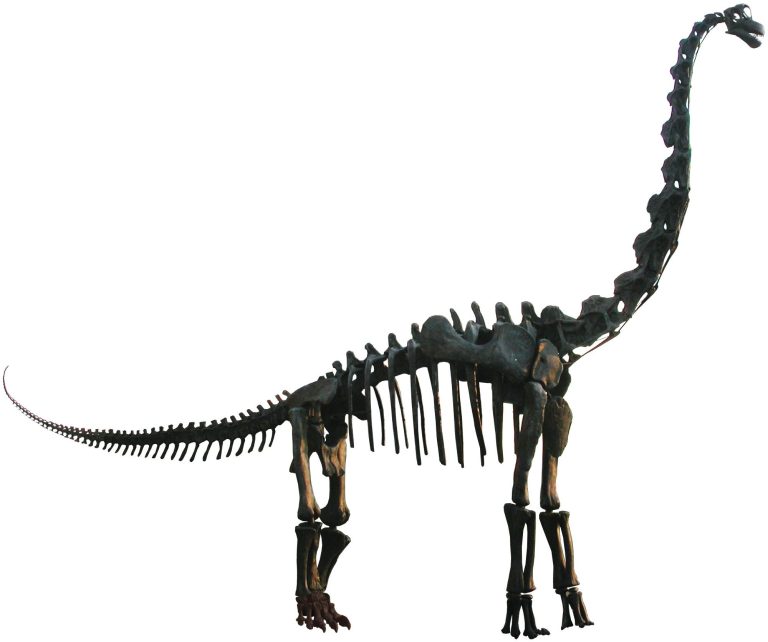
Brachiosaurus altithorax
A colossal macronarian sauropod with disproportionately long forelimbs and an elevated neck built for high-canopy conifer browsing during the Late Jurassic.
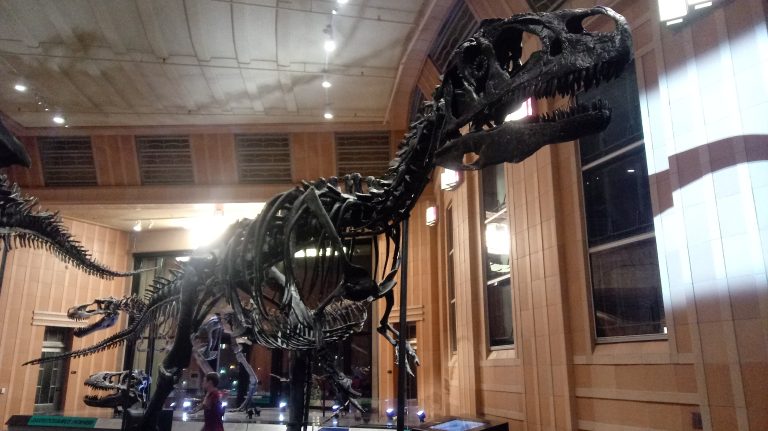
Allosaurus fragilis
Allosaurus fragilis
The most common and lethal apex predator of the Late Jurassic Morrison Formation, hunting with gaping jaws, slashing bites, and robust three-clawed forelimbs.
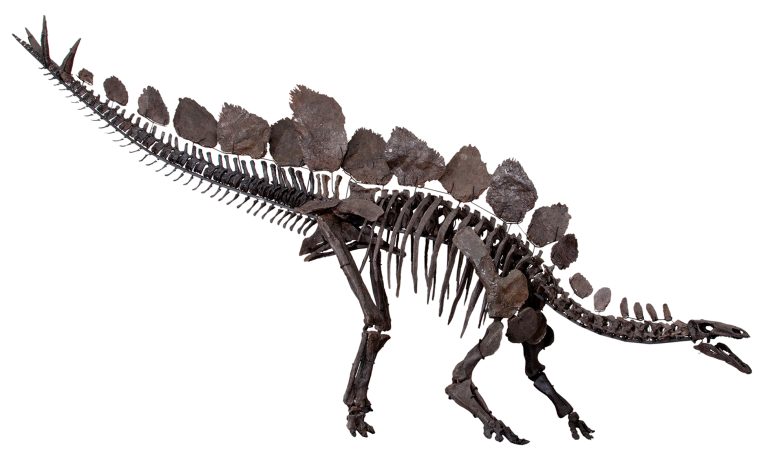
Stegosaurus stenops
Stegosaurus stenops
An iconic plated herbivore possessing alternating osteodermal dorsal plates for thermoregulation or display and four lethal tail spikes (thagomizer) for active defense.
Related Paleontological Dispatches
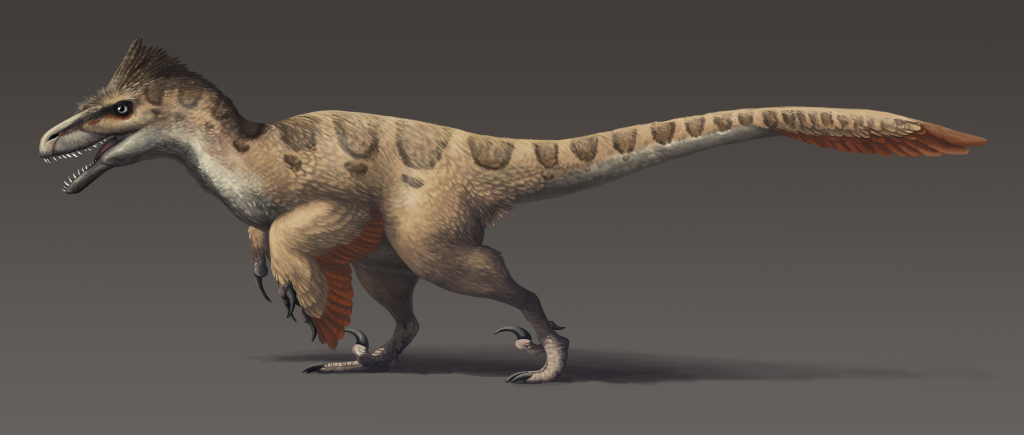
Utahraptor: The Giant Raptor Found in Utah
When pop culture introduced the world to the terrifying “raptors” of cinema in 1993, audiences were terrified by…

Giganotosaurus: The Giant Predator of Patagonia
When Argentine paleontologists Rodolfo Coria and Leonardo Salgado announced the discovery of Giganotosaurus carolinii in 1995, the announcement…
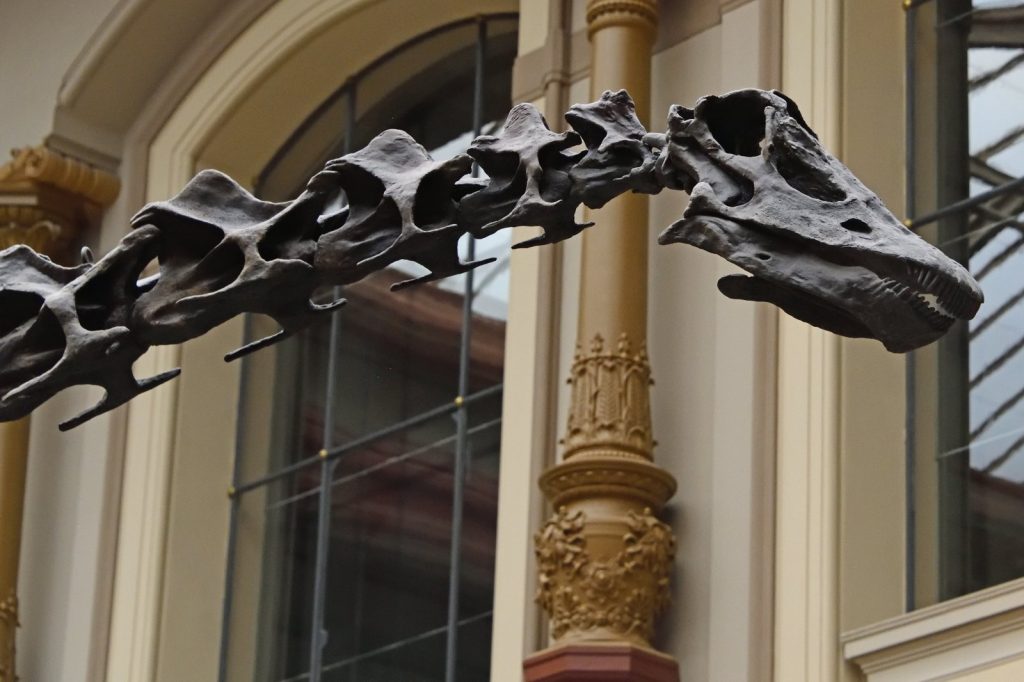
Diplodocus: How Long Was This Whip-Tailed Giant?
Among all the colossal dinosaurs unearthed from the Late Jurassic rock strata of western North America, Diplodocus has…