The Great Dying: How the Permian Extinction Set the Stage for Dinosaurs
How Siberian Traps volcanism cleared competitive terrestrial niches, enabling the archosaurian radiation.
Approximately 251.9 million years ago, the planet suffered the most catastrophic biotic turnover in Earth history: the Permian-Triassic extinction event, colloquially known as the Great Dying.
Cataclysmic Siberian Traps volcanism erupted millions of cubic kilometers of basalt, venting vast reservoirs of greenhouse gases, sulfur dioxide, and halogen aerosols that triggered catastrophic global warming and oceanic anoxia.
While synapsid ancestors were decimated, archosauromorph reptiles adapted to the hyper-arid continental interior of Pangaea. With efficient respiratory air sacs and agile bipedal postures, these resilient survivors laid the anatomical foundations for the dinosaur radiation of the ensuing Triassic Period.

Referenced Dinosaur Species 2 species
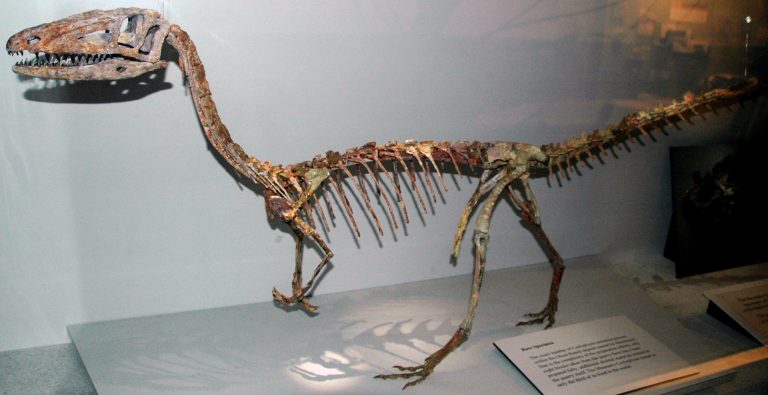
Coelophysis bauri
Coelophysis bauri
A gracile, agile early theropod that flourished across Late Triassic floodplains, hunting small vertebrates and insects with slender grasping jaws and lightweight hollow bones.
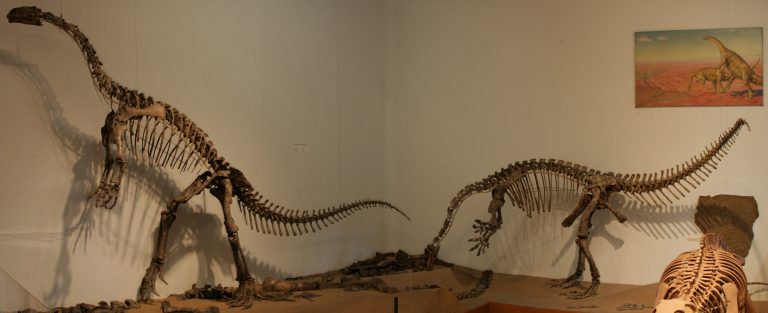
Plateosaurus trossingensis
Plateosaurus trossingensis
One of the first large herbivorous dinosaurs, this bipedal prosauropod browsed tree ferns across Late Triassic Europe before the rise of giant sauropods.
Related Paleontological Dispatches
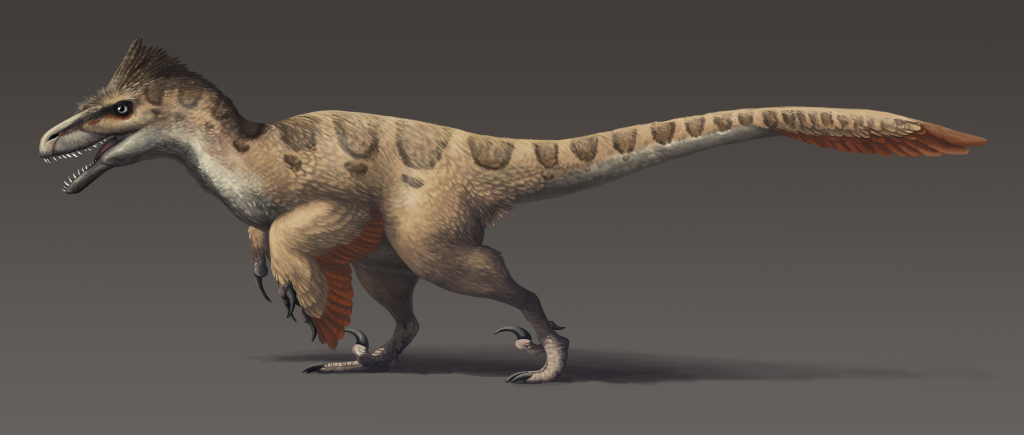
Utahraptor: The Giant Raptor Found in Utah
When pop culture introduced the world to the terrifying “raptors” of cinema in 1993, audiences were terrified by…

Giganotosaurus: The Giant Predator of Patagonia
When Argentine paleontologists Rodolfo Coria and Leonardo Salgado announced the discovery of Giganotosaurus carolinii in 1995, the announcement…
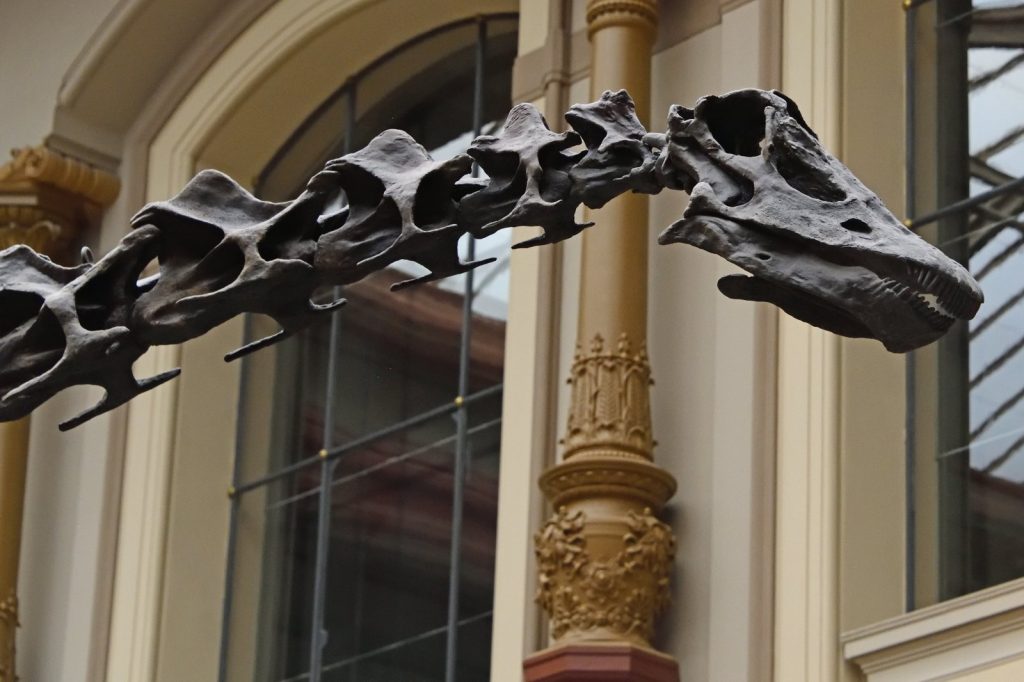
Diplodocus: How Long Was This Whip-Tailed Giant?
Among all the colossal dinosaurs unearthed from the Late Jurassic rock strata of western North America, Diplodocus has…