Gallimimus bullatus
Gallimimus bullatus
A fleet-footed ostrich-mimic theropod with a toothless keratinous beak suited for omnivorous grazing on vegetation, seeds, and small wetland invertebrates.
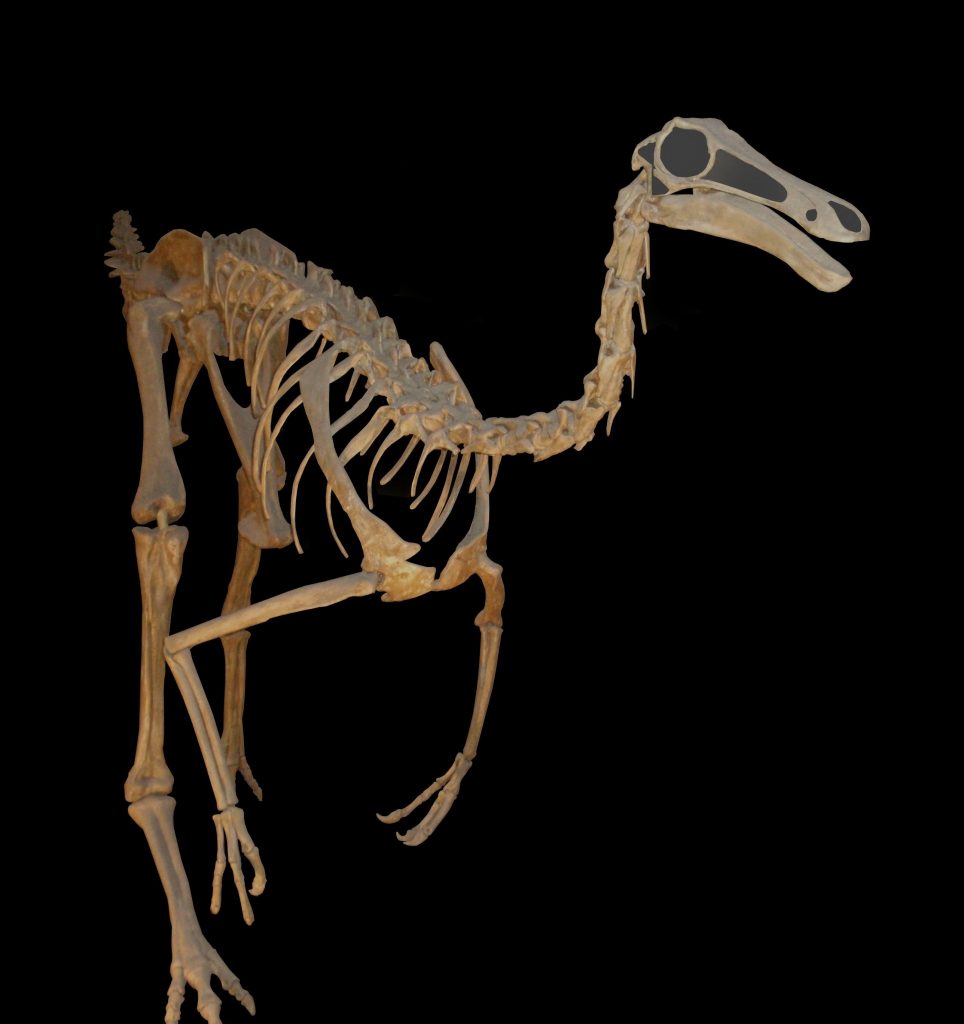
Specimen Field Matrix
Empirical morphological and stratigraphical recordsPaleontological Overview
A fleet-footed ostrich-mimic theropod with a toothless keratinous beak suited for omnivorous grazing on vegetation, seeds, and small wetland invertebrates.
Gallimimus bullatus was described from fossil material recovered in the Nemegt Formation.
Human Scale Comparison
Proportional anatomical comparison between an average adult human (1.8 m / 5.9 ft) and Gallimimus bullatus (6 m / 19.7 ft length, 2 m / 6.6 ft standing height).
Where & When It Lived
Geographic Range & Habitat
- Fossil Deposit Localities:
- Mongolia (Nemegt Basin)
- Geological Formations:
- Nemegt Formation
Fossil specimens of this species have been recovered from terrestrial floodplains, ancient river channels, and coastal sandstone facies deposited during continental rifting and tectonic reconfigurations.
Geologic Epoch & Chronology
Radiometric dating of volcanic ash layers (bentonite horizons) places this taxon between 71 and 69 million years before the present.
Specimen & Life Restoration Gallery
Peer-Reviewed References & Institutional Literature
Monographs and peer-reviewed taxonomic papers for this record are compiled from international paleontological journals and museum collections.
Related Dinosaurs & Contemporaries
 Jurassic
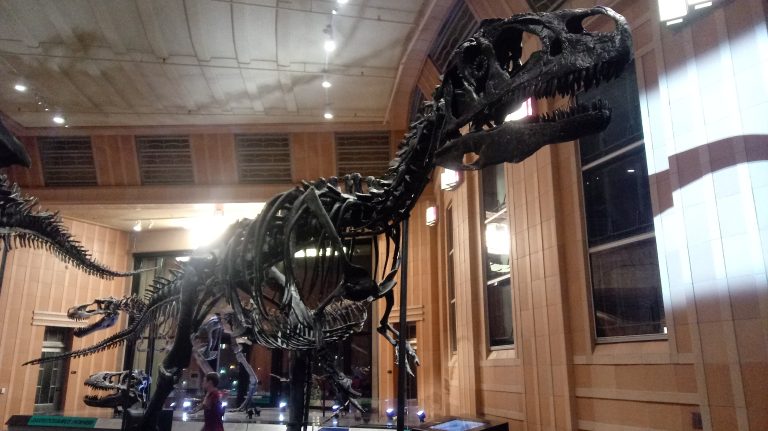
Allosaurus fragilis
Allosaurus fragilis
The most common and lethal apex predator of the Late Jurassic Morrison Formation, hunting with gaping…
 Cretaceous
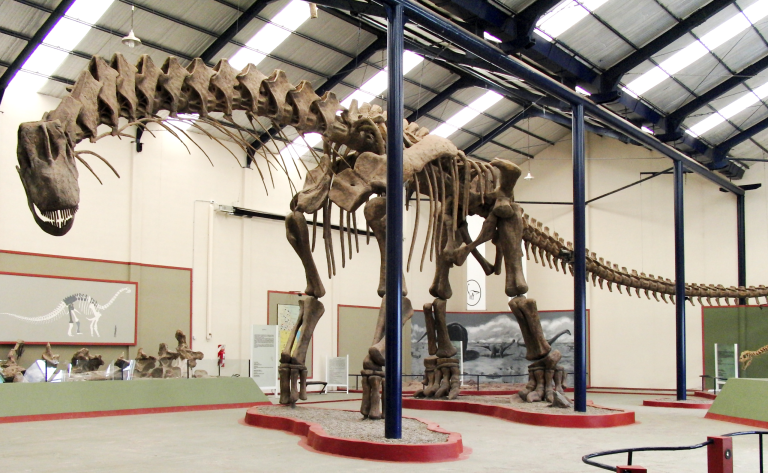
Argentinosaurus huinculensis
Argentinosaurus huinculensis
One of the largest land animals in Earth history, this colossal titanosaur shook the Cretaceous plains…
 Jurassic
Archaeopteryx lithographica
Archaeopteryx lithographica
The historic transitional fossil bridging non-avian feathered theropods and modern birds, possessing feathered wings alongside toothed…